
Starting on October 1, 2025, a handful more of our beloved Oregon State Parks will have new parking fees, including quite a few along the coast. Whether you're a local or visiting beachgoer, surfer, fisher or just someone that's spends a significant amount of time in and around our coastal parks and beaches, you'll want to be aware of the 22 additional parks requiring a parking permit starting next month. So to inform and emotionally prepare Oregonians for these new changes, Surfrider Foundation offers this breakdown of what to expect, why the change is happening and ways everyone can still enjoy the beaches without paying a fee.
Which Parks Will Have New Parking Fees and What to Expect
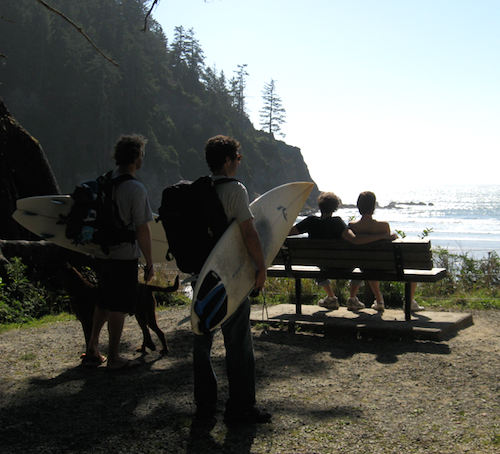 Surfers check Short Sands Beach at the iconic Oswald West State Park, one of 22 parks new to day use fees. Short sands and the park gets extremely high amounts of visitors impacting parking, local traffic, trails, restroom facilities and the parks natural resources. Keeping up with the iconic beauty and resource expectations of tourists means an incredible amount of parks maintenance and management work.
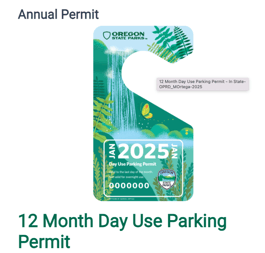
For many coastal parks, this means that parking will now cost $10/day for Oregon residents, $12/day for out‑of‑state visitors, where those parks did not previously require a parking fee. Don't freak out regular users, 12 and 24 month permits (buy em here) are just $30 and $50 respectively - a bargain in our opinion and really your best bet if you use any of these parks on a regular basis, or even just a few times a year.
The following coastal state parks or beach recreation sites will begin charging for parking as of October 1st, 2025.
- Beverly Beach State Park
- Bullards Beach State Park
- Cape Arago
- Face Rock State Scenic Viewpoint
- Fort Stevens State Park
- Harris Beach State Recreation Site
- Oswald West State Park
- South Beach State Park
- Sunset Bay State Park
- Tolovana Beach State Recreation Site
Additionally 12 other inland state park recreation sites will also start charging a fee:
Still 225 Oregon State Park Day use sites waive any day use parking fees. New and existing state park day use parking fee sites combined, only 48 state parks now require day use fees!
- View a map of all existing and new fee sites
- Learn about the fees more on the Oregon Parks and Recreation FAQ here
- State day use fee landing
Funding our Public Lands, Why the Fee is Coming to New Parks
It's helpful to ground these new fees and changes in some understanding of how Oregon State Parks are (and are not) funded:
- General fund tax dollars do no support Oregon State Parks operations. Most funding comes from lottery, visitor fees and non-tax sources like donations.
- Lottery funds have decreased, while parks operating costs have increased
- Most parks don't have a fee - with the new parks, still less than 50 of 250 state parks have parking fees
The expanded parking fees to more parks is part of a broader plan to build a more sustainable funding model—maintaining and operating the parks as usage climbs. Relying solely on lottery dollars and very few other sources also represents a significant equity challenge in addressing who actually pays for our parks.
Beach and Parks Are Still Free - How to Access Without Paying or Reduce Costs
Still the idea of paying and added fees worries some and it's important to remember there are several ways to reduce or avoid these fees all together.
- Walk, bike or public transit into parks and beaches is absolutely free and a parking fee/permit does not apply
- Over 225 parks are still free - only 46 parks will now charge a day use parking fee
- Parking fees are waived for those camping within the park with reservations on date of day use.
- Some visitors qualify for free parking permits under the special access program, find info for:
- Oregon foster parents/guardians
- Veterans and Active Duty Military
- Individuals w/ Disabilities that qualify for special access pass
- Overall best bargain is the 12 or 24 month permit, which pays for itself in 3 visits.
If you use coastal federal lands and want one-stop shopping, the Oregon Coast Passport will still get you covered for all federal and the new state parking permits - most central coast surfers and locals are well aware already of this pass since it also covers federal sites like Yaquina Head and Cape Perpetua day use areas.
Why many coastal locals support the fee (and the trade-offs)
We've talked to a lot of coastal locals and regular beach users over the years and recently about parking fees and the sentiment has significantly shifted in favor. Here are some of the reasons people give for supporting these changes, or saying
- Growing visitation and crowding - from increased maintenance of bathrooms and trails to crowding the visitor's experience, the number one feedback from regular and local users
- Resource protection: more visitors = increased impacts to coastal habitats, increasing costs for restoration and ongoing resource management
- Value for money: For many, state parks are an incredible bargain compared to private recreation alternatives (e.g. ski resorts, private beach/commercial waterfront facilities). Even with parking fees, state parks are significantly much less per visit
- Equity in pay: While some fear the fee represents a barrier, others highlight that most visitors have never paid and rather rely on someone else to play the lottery to fund their recreational experience. Most embrace the pay as you go approach.
"I think it's way more equitable to charge individuals using the parks and services as they go rather than taxing us all or the existing model of relying on lottery players," said Dan Hasselschwert, owner of Ossie's Surf Shop in Newport.
"I already buy an annual permit every year because I love to surf at Indian Beach which already had the fee, so this really won't change anything for me. Honestly I'm glad they are going to get some additional funds for all the crowds that consume resources (and my summer sanity) at Short Sands", said Grover Gaines, a north coast resident.
What is Surfrider's position on the new fees?
Surfrider Foundation has advocated for decades for adequate funding of Oregon Parks and Recreational Department for the remarkable recreational opportunities, the amazing public lands they manage and the services and resources they provide to recreational users. During the rulemaking process in the fall of 2024, we conducted outreach to our members, volunteers and discussed with our Oregon chapter executive leaders as part of their annual 2025 planning - learn more about that process here. Later that winter, we submitted official comments and recommendations during the rulemaking process. Most of our membership and individuals we spoke with were highly supportive, understanding the need for more sustainable and equitable funding as well as the extreme value of our parks and recreational services. Surfrider offered no formal position, rather our comments focused on guidance for implementation, some rule language improvements and equity considerations; however the strongest sentiment of both our local coastal members and visitors alike from inland has been positive and supportive.
While the fees will be a change, there are ways to reduce the cost, and the hope is that this shift helps preserve what makes our beaches and parks special for generations to come.