
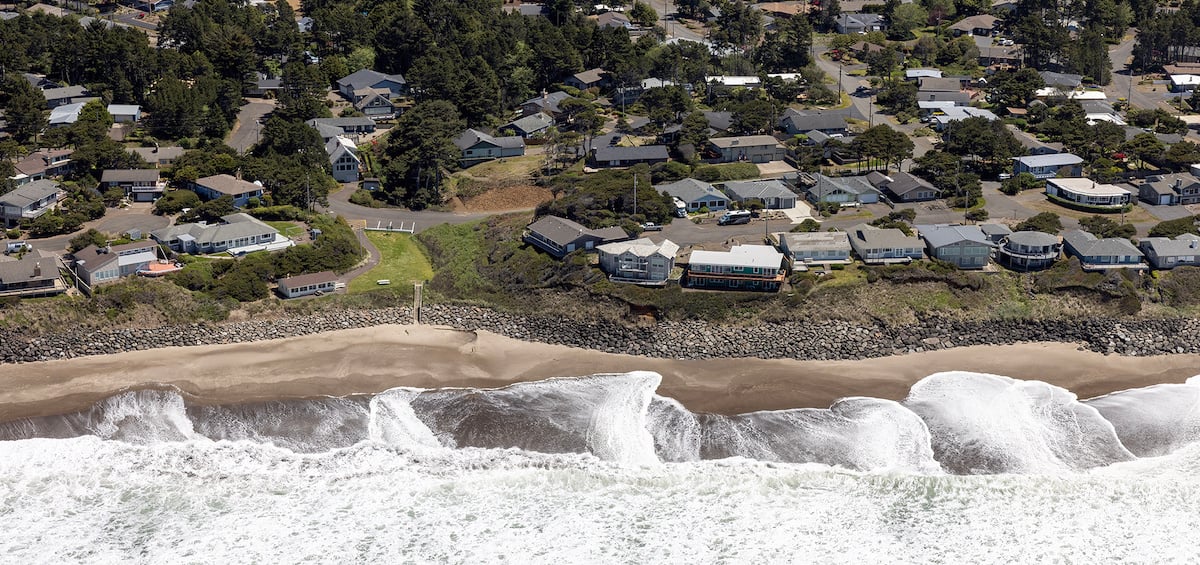
Surfrider’s annual State of the Beach Report was released yesterday, with this year’s report focusing on emergency shoreline armoring. Oregon earned a “B”, but there’s more work to do.
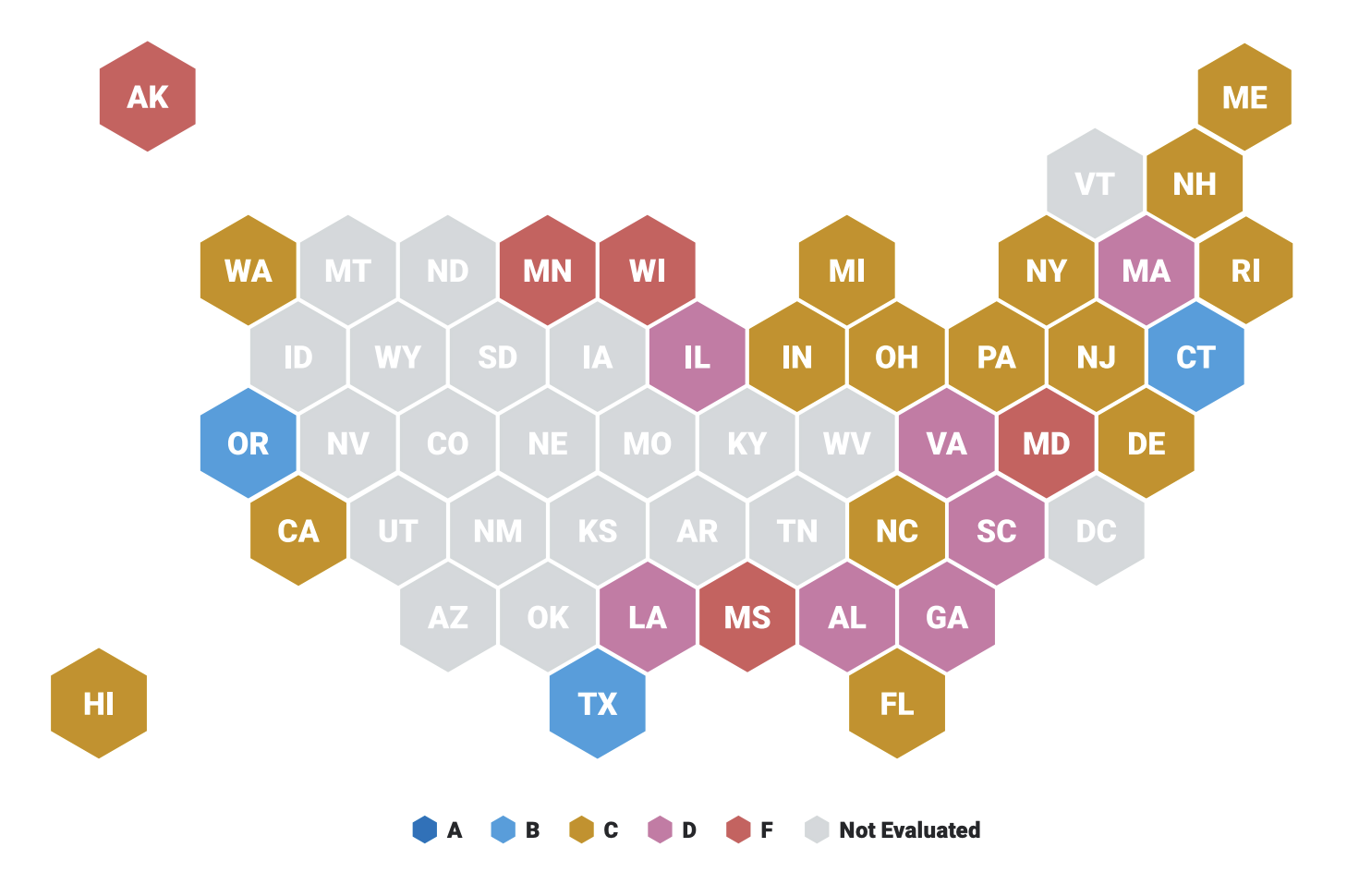
Surfrider Foundation’s newly released 2026 State of the Beach Report highlights a critical gap in coastal protection policies nationwide in emergency shoreline armoring. While Oregon is only of only three states to earn a “B”, the report reveals that stronger protections are needed to safeguard the future of our beaches.
Beaches and coastal areas across the country are experiencing the impacts of climate change through severe erosion, extreme weather events, and rising sea levels. It is more important than ever to strengthen proactive planning and shoreline management to promote coastal resilience. Across our coasts, short-term responses to coastal emergencies are creating long-term consequences for our beaches.
Surfrider’s annual State of the Beach Report examines policies that protect our nation’s coastlines. This year’s report focuses specifically on emergency shoreline armoring, finding that 90% of the 30 coastal states evaluated earned a “C” or worse. While emergency measures are sometimes necessary to protect threatened infrastructure, temporary shoreline armoring, including riprap and seawalls, can become permanent structures on our coastlines. These hard structures interfere with natural shoreline processes and can contribute to beach erosion, loss of public access, and ultimately the disappearance of our treasured beaches.
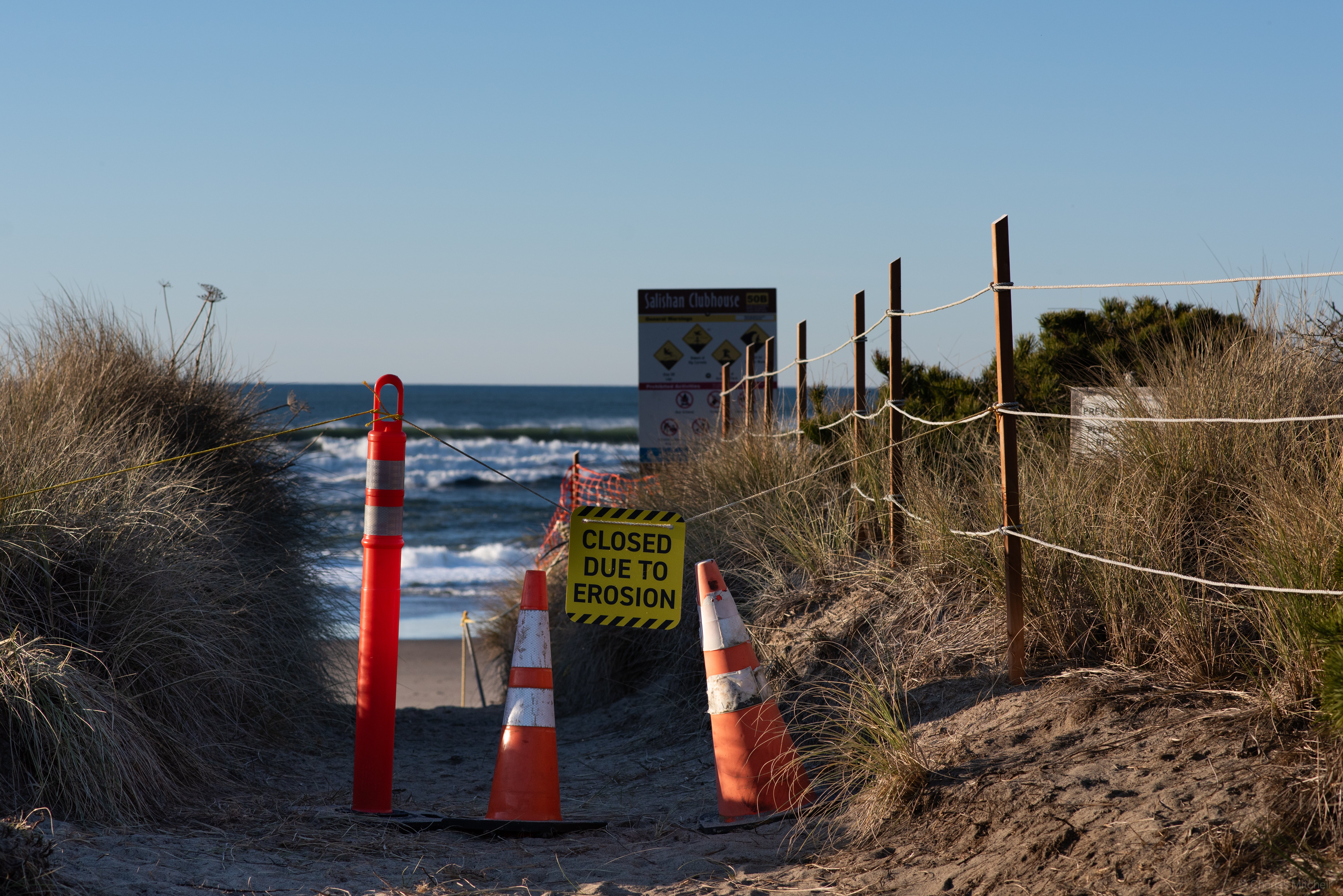
Oregon’s beaches are at a turning point
Oregon is one of the three states to earn a “B” from Surfrider for its emergency shoreline armoring policies. However, even with comparatively strong protections on the books, Oregon’s beaches remain vulnerable to the long-term consequences of emergency armoring.
The report highlights a concerning trend of the majority of the state’s emergency armoring permits being issued during a single coastal erosion event in 2021. In every Oregon case analyzed by Surfrider, temporary armoring paved the way for permanent hard structures. With another El Niño winter approaching, these findings are especially timely. El Niño conditions can contribute to elevated water levels, powerful waves, and increased coastal erosion, potentially placing more homes and infrastructure at risk. As coastal communities prepare for the possibility of significant erosion events very soon, Oregon’s emergency armoring policies are likely to be tested.
We must be proactive in considering not just how we respond to the next coastal emergency, but how we ensure that short-term solutions don’t lead to permanent beach loss.
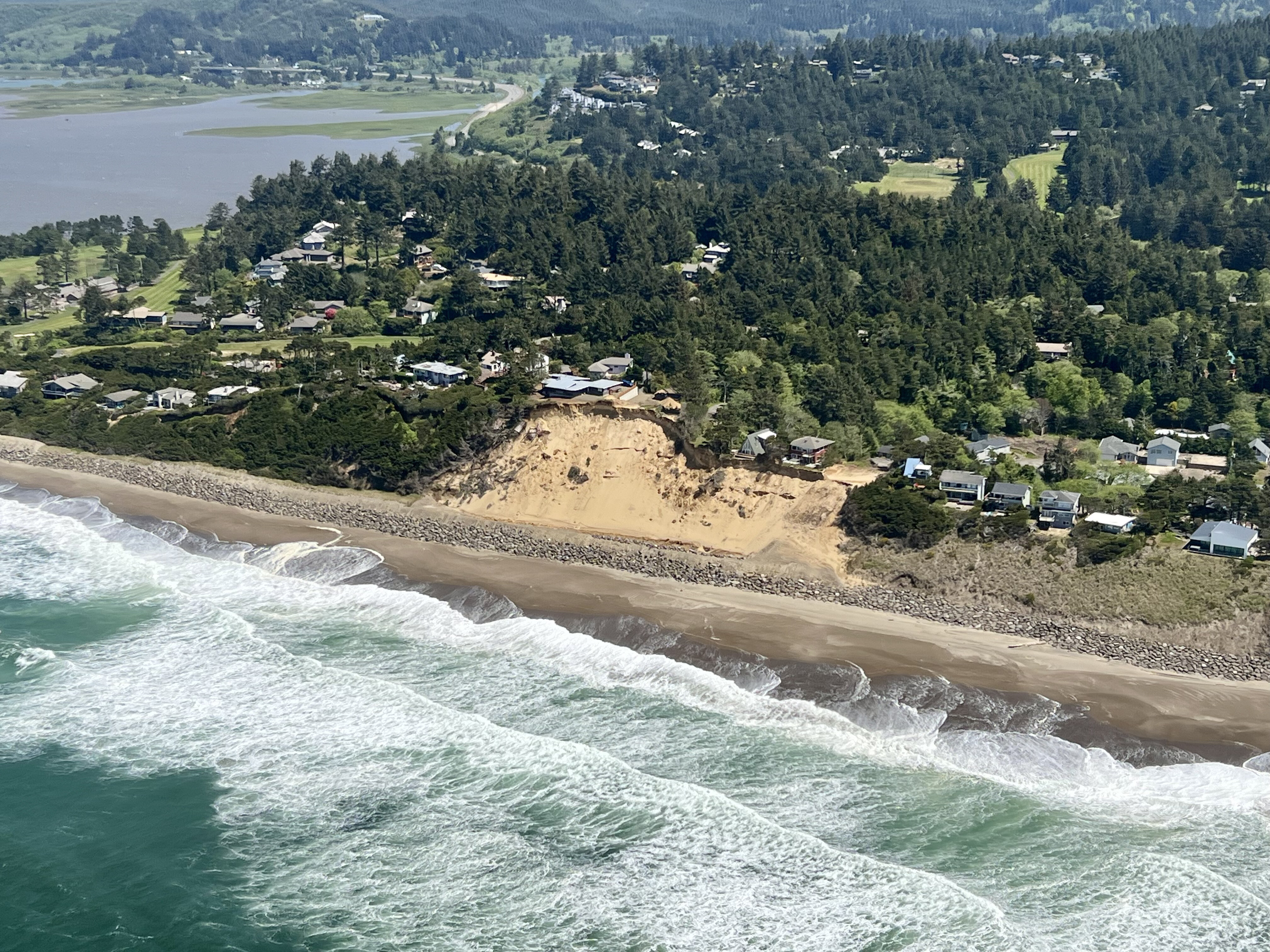
Protecting Oregon’s beaches for the future
As the report’s regional case study highlights, Oregon has an important opportunity to strengthen its emergency shoreline armoring policies before the next major coastal erosion event.
Through our Oregon Beaches Forever campaign, Surfrider is actively working to advance these protections. We are engaging with the Oregon Parks and Recreation Department as the agency updates its ocean shore alteration permitting rules. Our priorities include strengthening requirements for emergency permits, establishing clear timelines and accountability for the removal of temporary structures, and prioritizing nature-based solutions and non-structural alternatives wherever feasible.
Without effective safeguards, temporary emergency measures could continue to create lasting impacts on Oregon’s public shoreline, leaving a future with more riprap and less beach to enjoy. Oregon’s beaches are dynamic by nature. Protecting them means planning for coastal change and pursuing solutions that work with our shoreline’s natural processes rather than against them.
Together, we can help ensure Oregon’s beaches remain wild, accessible, and resilient for generations to come. Join us by pledging your support for the Oregon Beaches Forever campaign.
